-
HB 41 Brings Balance to Utah’s WUI Designations
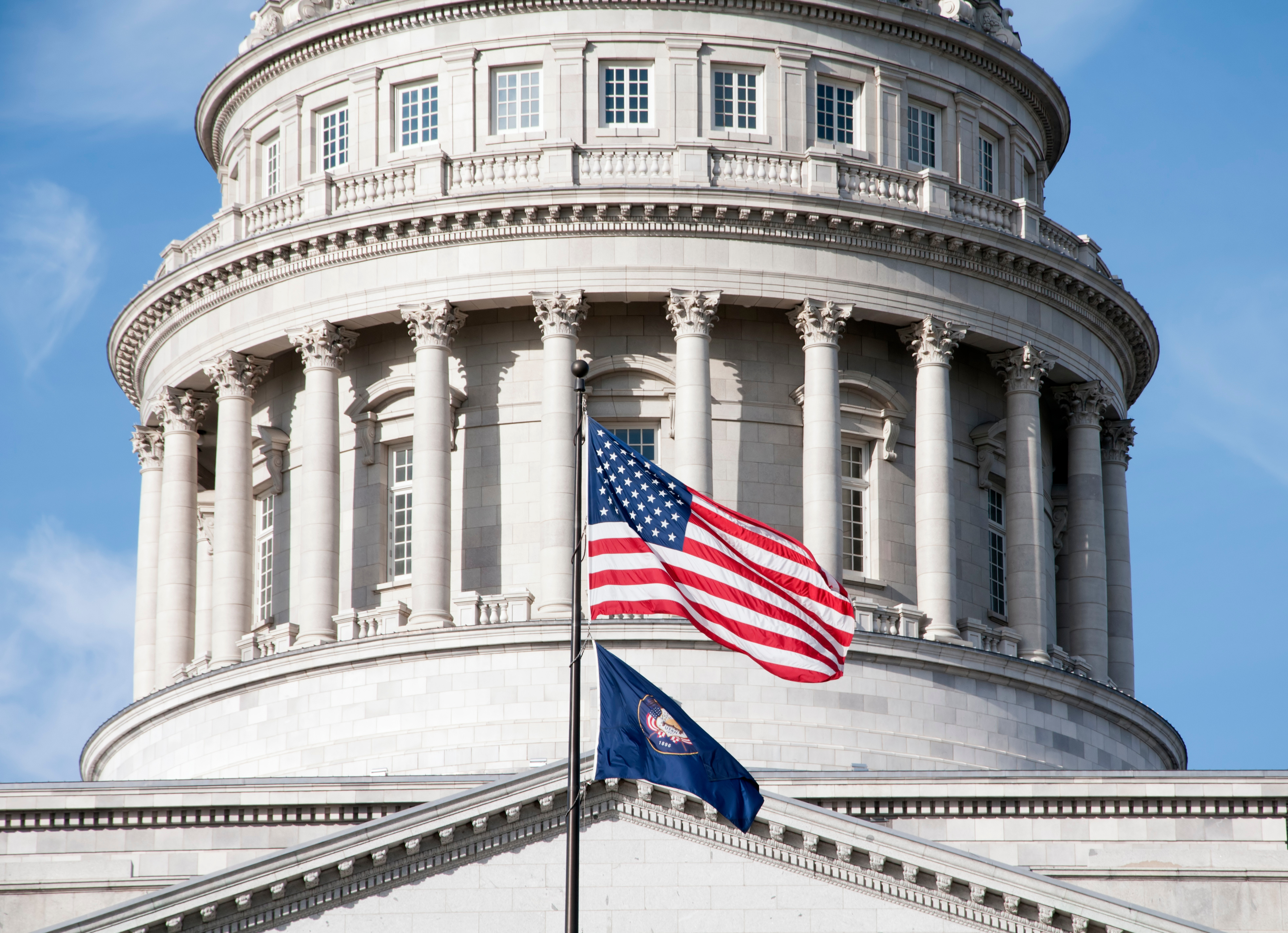
HB 41 amends the state’s Wildland-Urban Interface (WUI) code and addresses one of the industry’s long‑standing concerns: overly broad fire‑risk boundaries that can inflate building costs without improving safety.
What HB 41 Changes- Applies WUI standards only to properties with a risk factor of 5 or above
- Creates a formal appeals board for disputed designations
- Requires annual updates to reflect growth and shifting risk
- Prevents cities from pushing WUI boundaries too far into urban areas
The Wildland-Urban Interface (WUI) code requires fire-hardened construction methods for homes located within designated risk zones. While these standards play a critical role in protecting life and property, they also introduce meaningful cost implications for homeowners and builders.
When a home is genuinely situated within a high-risk fire area, building to a higher standard is both logical and necessary. However, there has historically been pressure from some municipalities to expand WUI boundaries, sometimes extending requirements into areas where the risk may not fully justify the added construction costs.
This bill reflects a more balanced approach.
By more carefully aligning WUI designations with actual risk, the code helps ensure that fire-resistant construction is applied where it truly matters, without imposing unnecessary financial burdens on projects outside those zones.
This represents a practical compromise: maintaining strong public safety protections while avoiding overreach that can drive up housing costs. For builders and homeowners alike, it brings greater fairness, clarity, and confidence to home building.
To read the language that was adopted in the session, go to HB0041.pdf.